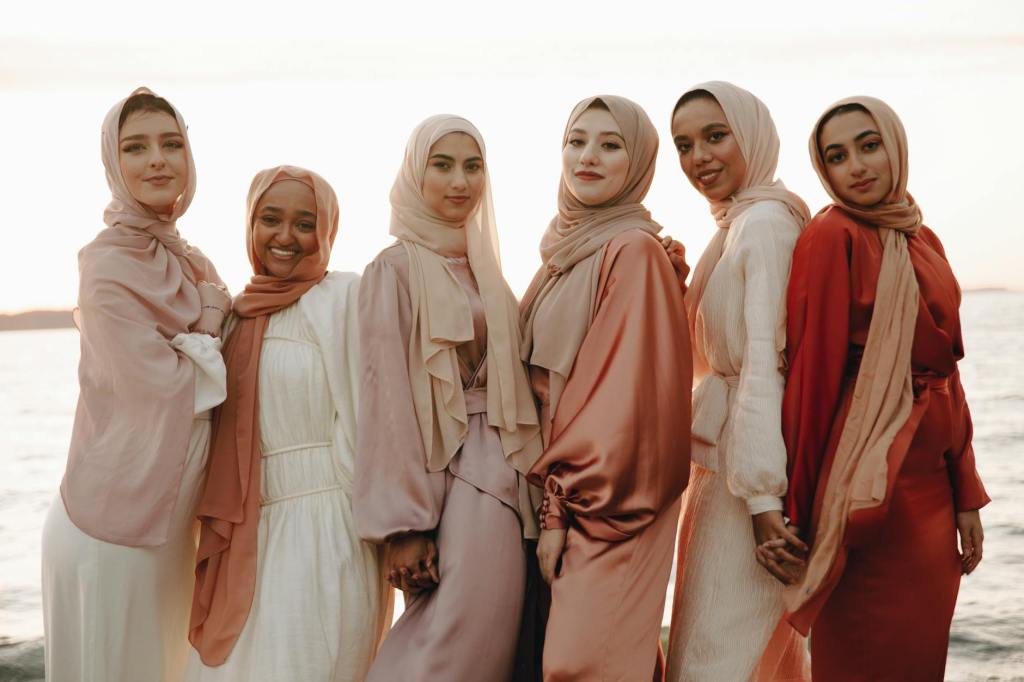

Perceptions of modesty in the UK
Social media has become a platform where racist ideologies persist. An anonymous platform where people say what they really think with no guards and no criticality. One repeated onslaught is on the topic of head scarves which propose that people in the UK should fit into UK culture, or else, “go back where you come from!” Yes, that rhetoric. Headscarves have become a point of contention and misunderstanding in many Western societies, particularly in the UK with politicians magnifying that stance. This issue often intersects with cultural, religious, and racial dynamics, leading to varying perceptions and biases.
The Religious and Cultural Context of Head Scarves
Islam: In the UK, head scarves are most commonly associated with Muslim women. The hijab, worn by many Muslim women as a sign of modesty and faith, often faces negative stereotypes and misconceptions. These can stem from media portrayals and a lack of understanding of Islamic practices. The hijab can be seen as a symbol of oppression rather than a personal or spiritual choice.
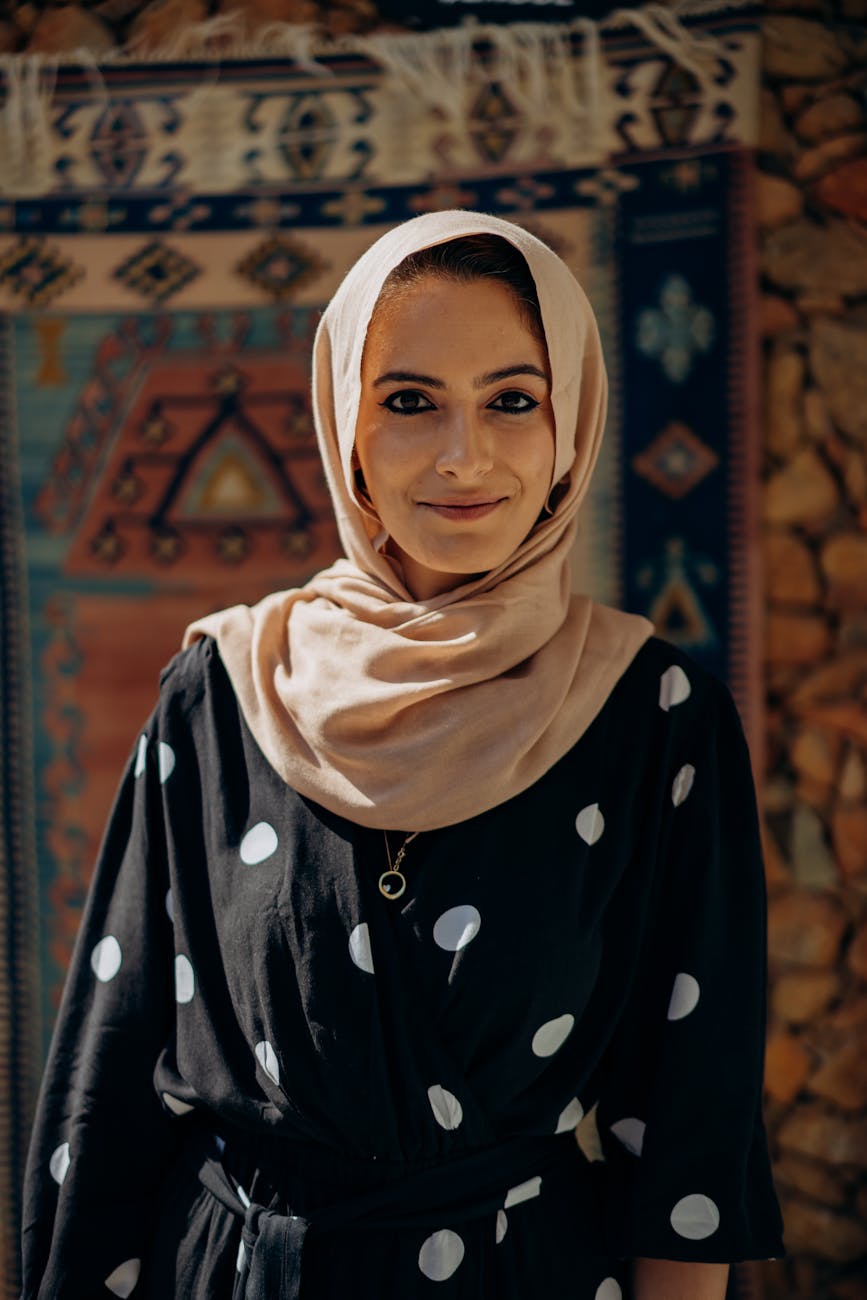
Other Religions: However, the practice of covering the head is not exclusive to Islam. Many other religious traditions emphasise modesty through head coverings:
- Christianity: Nuns in the Christian tradition wear veils as a sign of their devotion and humility. Additionally, some Christian denominations encourage women to wear head coverings during worship. Most common is a bride wearing a veil.
- Judaism: Orthodox Jewish women may wear wigs, scarves, or hats after marriage as a sign of modesty.
- Sikhism: Sikh men wear turbans as a mark of faith and respect for their beliefs.
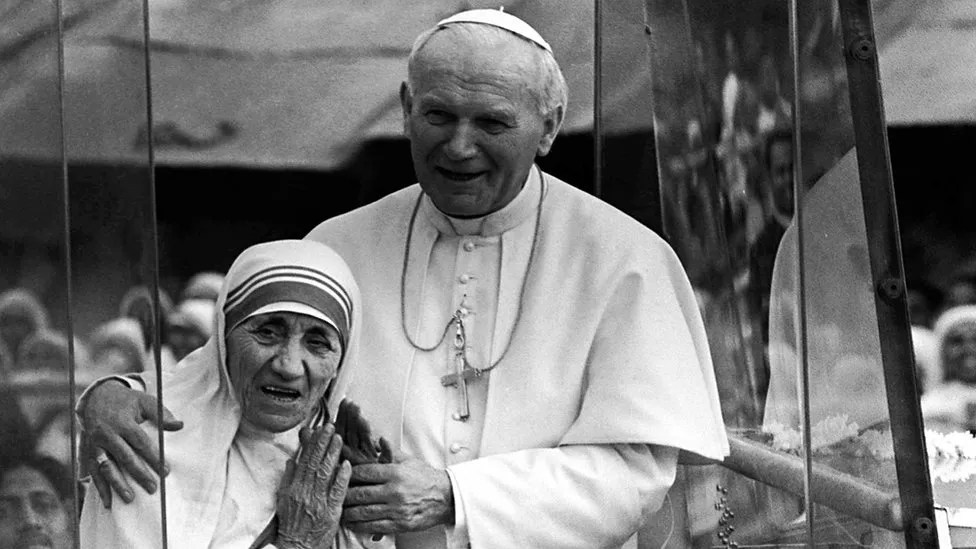
Despite these parallels, the headscarf’s perception varies greatly depending on who wears it and the context.
Cultural Practices and Perceptions
In many Asian cultures, covering the face is more about practicality than religion. For instance, women might wear wide-brimmed hats and face masks to protect against the sun. These practices are often seen as non-threatening or even comical in Western cultures, contrasting sharply with the suspicion and hostility faced by those who wear head coverings for religious reasons.

This discrepancy raises questions about the underlying biases. The reaction to head coverings often appears rooted in racial and cultural prejudices, where the same act (covering the head or face) is interpreted differently based on the wearer’s perceived ethnic background.
Over-Sexualisation of Women and Girls
In contrast to the concept of modesty, Western culture has a long history of celebrating and monetising the opposite: the over-sexualisation of women. Examples include:
- Fashion Trends: High heels, which can cause physical harm such as bunions, have been likened to modern-day foot binding. These are celebrated as symbols of femininity and elegance.

- Beauty Pageants: Young girls are often paraded in bikini tops and makeup, emphasising their appearance over other qualities.
- Media and Advertising: Women’s bodies are frequently objectified in advertisements, films, and magazines.

This cultural backdrop highlights a paradox: while modesty through head coverings is often criticised or misunderstood, the harmful effects of over-sexualisation are widely accepted or overlooked.
Conclusion
Understanding why head coverings evoke such strong reactions requires an exploration of deeper cultural and racial biases. By recognising that modesty can take many forms across different religions and cultures, we can challenge the negative stereotypes associated with head scarves. Furthermore, critically examining the Western culture’s own practices around modesty and sexualisation can reveal the complexities and contradictions in how we view women’s choices and appearances.
What does our reaction to modesty and head coverings say about our own cultural values and biases?


Leave a Reply