
In the Olympics, it is vital that it is a level playing field where athletes compete based on skill, dedication, and physical prowess. However, underlying biases and systemic racism often taint this ideal, perpetuating white supremacy in various subtle and overt ways. In my previous blog, I discussed how privilege aids athletes in reaching the highest levels of competition. This time, I will delve into how white supremacy manifests in the sporting world, focusing on media narratives, drug allegations, and the inherent biases that question the legitimacy of non-white athletes’ achievements.
The Media Narrative: Genetic Attributes vs. Hard Work
When discussing black athletes, the narrative frequently shifts towards their supposed genetic advantages. Comments on their “natural” speed, strength, or agility overshadow the immense hard work and dedication they invest in their sport. This narrative implies that their success is more about innate ability than the result of years of training, discipline, and perseverance.

Conversely, white athletes are often lauded for their intelligence, strategy, and work ethic. Their achievements are seen as a testament to their determination and mental fortitude, not merely their physical capabilities. This double standard not only diminishes the accomplishments of black athletes but also reinforces racial stereotypes.
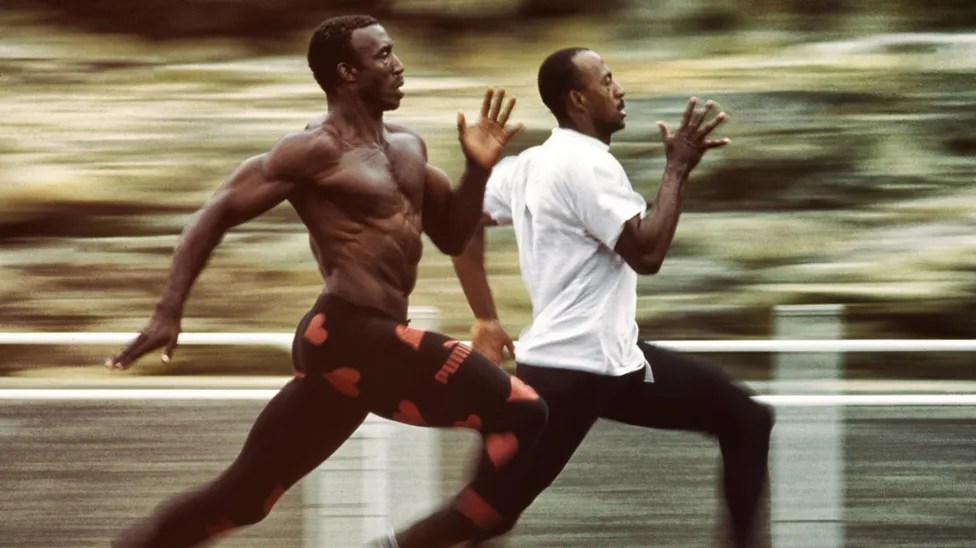
An example of this bias is how Linford Christie’s accomplishments were often overshadowed by the media’s fixation on his physical appearance, particularly his “lunchbox”—a crude reference to the size of his genitalia. This focus on his physical attributes rather than his hard work and achievements in athletics exemplifies the racial bias present in sports media narratives [1].
The Double Standards in Drug Allegations
The case of doping allegations is another clear example of racial bias in sports. When Chinese athletes, particularly swimmers, achieve remarkable success, they are swiftly met with accusations of doping. Despite rigorous testing and the oversight of organisations like the World Anti-Doping Agency (WADA), their accomplishments are overshadowed by a cloud of suspicion and doubt [2, 3, 4].
A notable instance involves Chinese athletes who tested positive for trace amounts of prohibited substances due to meat contamination. Despite thorough investigations by WADA and Chinese authorities, which confirmed that the positive tests were due to contamination, the media and public reaction often leans towards suspicion and doubt [2, 3, 4]. In particular, swimmer Pan Zhanle was not part of those allegations and has never tested positive for performance-enhancing drugs. In fact, there are counter-allegations that he was subjected to undue extra testing that affected his preparations for his races. So how do you prove anti-doping when the media is set against you? How do you fix a tarnished reputation? Have you ever experienced the feeling of being accused of something you haven’t done? Can the media be that certain before spreading misinformation?

Credit: Giorgio Scala/ Deepbluemedia/ Insidefoto
WADA explains that cases of meat contamination are not unique to China. Athletes from the USA and other countries have also been affected. For example, historical cases in the USA have involved athletes testing positive for clenbuterol after consuming contaminated meat. These instances highlight that food contamination is a widespread issue, not confined to any single nation, yet the narrative often disproportionately targets non-white athletes [5, 6].
A crucial aspect often overlooked in doping allegations is the understanding of pharmacokinetics—the study of how drugs move through the body. Misinterpretations of pharmacokinetic data can lead to false accusations. This scientific complexity is frequently manipulated in media narratives to cast doubt on the achievements of non-white athletes while ignoring similar complexities in cases involving white athletes [6, 7]. The are being subjective and biased in their conclusions rather than utilising science and evidence.
So, although I was interested in pharmacy, I am definitely not an expert. Therefore I need to look at the evidence they present. These are some visual representations of doping offences by nations and by sport:
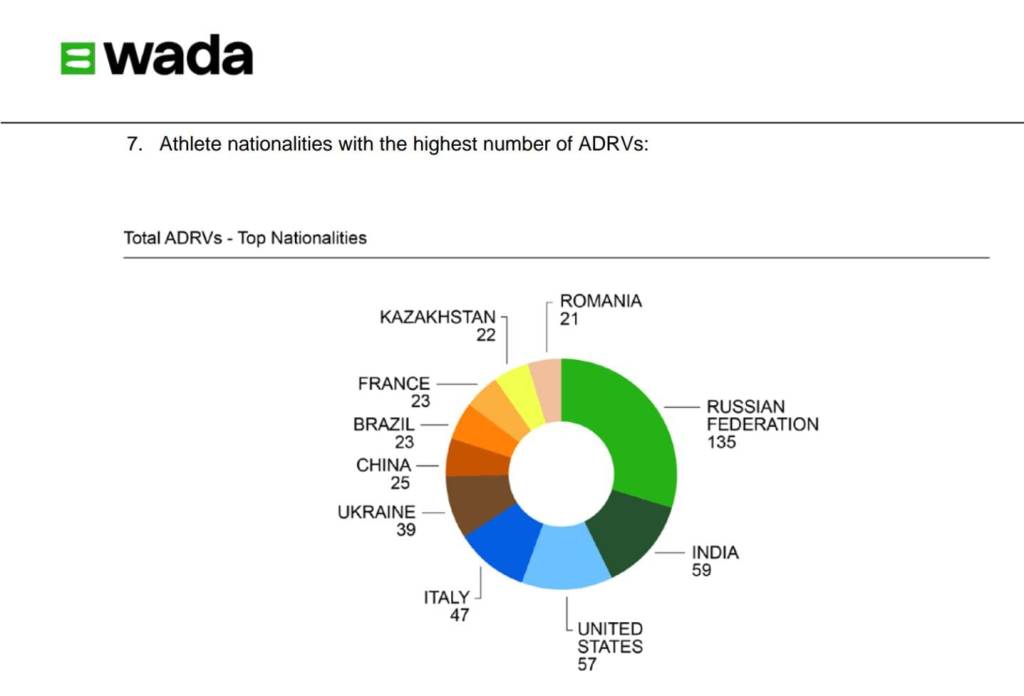
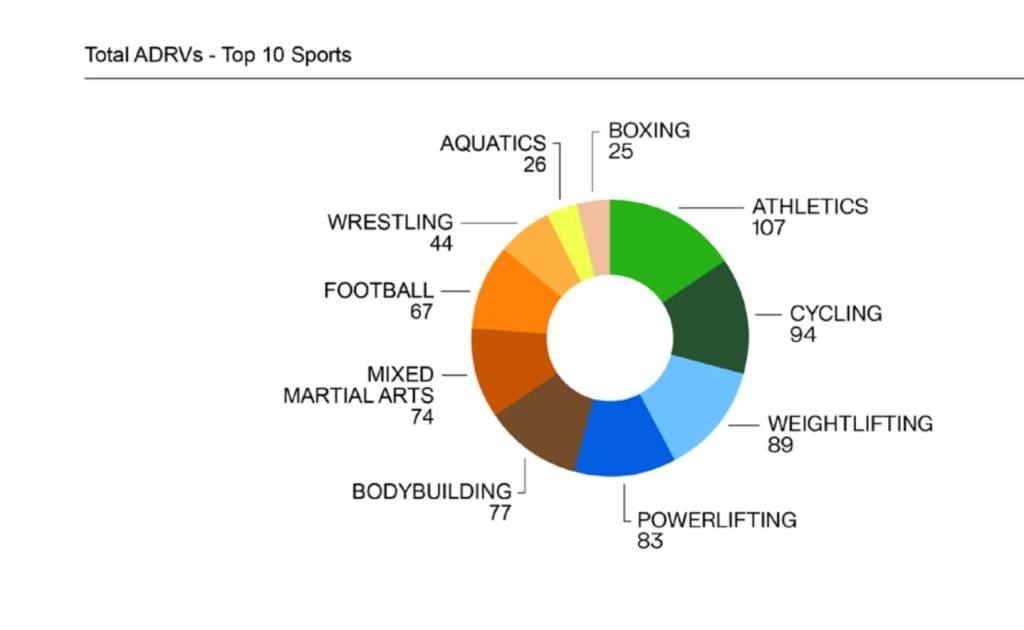
I will let you absorb the information and form your own conclusions. I want to reiterate that in this era of mass misinformation, it is even more vital to check your sources rather than base it on what you hear on social media. The information is publically available and easy to see but from novices to media outlets, they don’t seem to check.
The Role of Media and Public Perception
The media plays a crucial role in shaping public perception. When white athletes are implicated in doping scandals, the narrative often focuses on their redemption stories or the pressure they faced to perform. In contrast, non-white athletes are more likely to be portrayed as cheats, with less emphasis on their personal stories or the systemic issues within their sports.
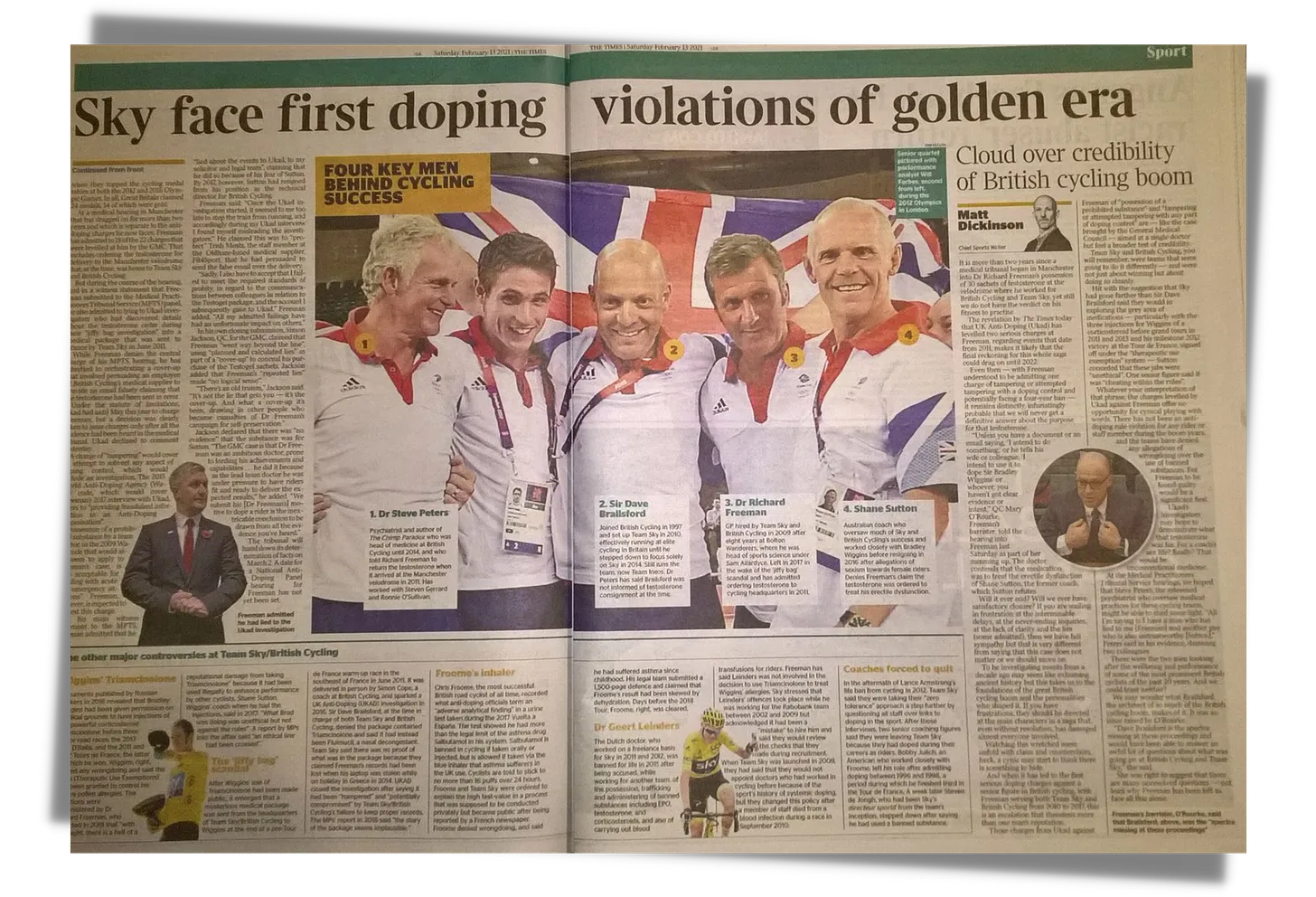
This biased portrayal feeds into a broader narrative that non-white athletes’ success is somehow illegitimate or less deserving. It also undermines the credibility of international sporting organisations like WADA, suggesting that their efforts to ensure a fair playing field are inadequate or biased themselves [6, 8, 9].
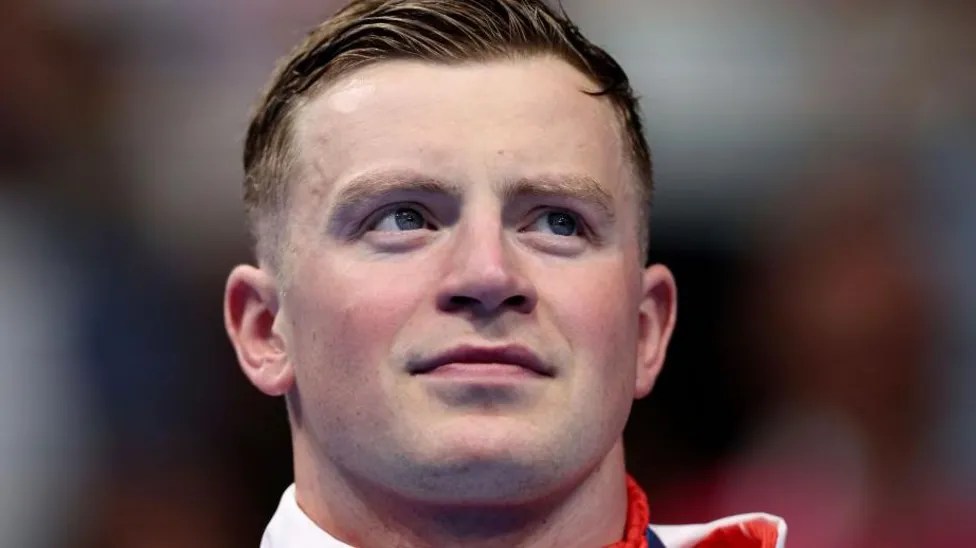
Defending Integrity: Lessons from Michael Phelps
In the face of biased allegations and the relentless scrutiny of their accomplishments, athletes often struggle to clear their names and maintain their reputations. Linford Christie discusses this in his recent BBC documentary, highlighting the challenges athletes face when trying to defend their integrity against baseless accusations on stealing a car, which was actually his [1]. Christie’s experience underscores the difficulty of overcoming a tarnished reputation once the media and public have been convinced to discredit an athlete.
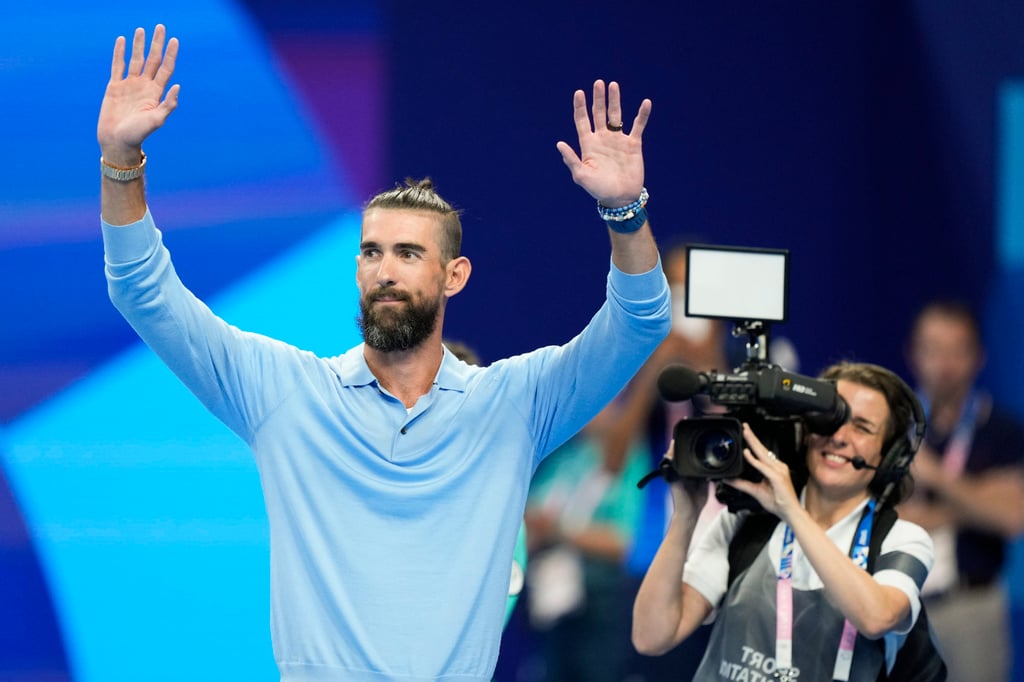
American legend Phelps will not ‘point finger’ at China Olympic hero Pan Zhanle in Paris (SCMP, 2024)
A powerful example of standing against such biased narratives is provided by Michael Phelps. Despite being a legendary figure in swimming, Phelps refused to support unfounded accusations against Chinese swimmer Pan Zhanle. Phelps emphasised the importance of evidence and fairness, advocating for a balanced and just approach to all athletes, regardless of their nationality [10].
The Impact on the Integrity of Sport
Such biases have far-reaching implications for the integrity of sports. In agreement with Peaty, if fans and athletes believe that the playing field is not truly level, it undermines the very essence of competition. However, the possibility that certain athletes are unfairly targeted or that their achievements are devalued because of their race can erode trust in the fairness of sport.
Watching the documentary of Lindford Christie was difficult. He faced so much adversity from the media and it was in plain sight. However, noone showed their allyship and came to his defense. The documentary revealed that a Sun journalist still recalled the media events on his “lunchbox” and objectification positively, thinking it had not affected Christie. Conversely, Christie still has the vivid pain of those memories as if was yesterday and it was heartbreaking for him to share those media clips with his children.
Questions for Further Reflection
- How can media narratives be reshaped to provide a more balanced and fair portrayal of all athletes, regardless of race?
- What steps can international sporting organisations take to ensure that their drug testing protocols and public communications are free from racial bias and politicisation?
- How can we as a society recognise and challenge the implicit biases that influence our perceptions of athletes and their achievements?
- What role can fans play in demanding fair treatment and representation of all athletes in the media?
As a former amateur athlete in the field of bodybuilding, I have often been asked if I have taken steroids. I only have my explanation that I am a ‘natty’ and comply to testing as per the rules. If someone chooses to not believe me, I am powerless. I can understand why Lindford Christie did not want to be at another hearing as he had total mistrust of the system by that point. Recognising and rectifying these issues is essential to ensuring that all athletes are celebrated for their hard work, dedication, and skill, regardless of their race.

References
- BBC Sport. (2023). Linford Christie’s Battle Against Media Bias. [online] Available at: https://www.bbc.co.uk/sport/athletics/articles/c035805y52mo [Accessed 2 Aug. 2024].
- World Anti-Doping Agency (WADA). (2024). WADA statement on contamination cases in China. [online] Available at: https://www.wada-ama.org/en/news/wada-statement-contamination-cases-china [Accessed 2 Aug. 2024].
- World Anti-Doping Agency (WADA). (2024). Independent Prosecutor concludes WADA showed no bias towards China and decision not to appeal Chinese swimming cases was ‘indisputably reasonable’. [online] Available at: https://www.wada-ama.org/en/news/independent-prosecutor-concludes-wada-showed-no-bias-towards-china-and-decision-not-appeal [Accessed 2 Aug. 2024].
- World Anti-Doping Agency (WADA). (2024). WADA invites independent prosecutor to review its handling of Chinese contamination case in swimming. [online] Available at: https://www.wada-ama.org/en/news/wada-invites-independent-prosecutor-review-its-handling-chinese-contamination-case-swimming [Accessed 2 Aug. 2024].
- World Anti-Doping Agency (WADA). (2021). WADA publishes Stakeholder Notices regarding potential contamination cases related to meat and diuretics. [online] Available at: https://www.wada-ama.org/en/news/wada-publishes-stakeholder-notices-regarding-potential-contamination-cases-related-meat-and-diuretics [Accessed 2 Aug. 2024].
- World Anti-Doping Agency (WADA). (2024). WADA responds to questions received from New York Times related to clenbuterol cases involving Chinese swimmers. [online] Available at: https://www.wada-ama.org/en/news/wada-responds-questions-received-new-york-times-related-clenbuterol-cases-involving-chinese-swimmers [Accessed 2 Aug. 2024].
- World Anti-Doping Agency (WADA). (2024). WADA publishes Fact Sheet/Frequently Asked Questions in relation to contamination case involving swimmers from China. [online] Available at: https://www.wada-ama.org/en/news/wada-publishes-fact-sheetfrequently-asked-questions-relation-contamination-case-involving-swimmers-china [Accessed 2 Aug. 2024].
- World Anti-Doping Agency (WADA). (2024). WADA statement following comments by CEO of United States Anti-Doping Agency. [online] Available at: https://www.wada-ama.org/en/news/wada-statement-following-comments-ceo-united-states-anti-doping-agency [Accessed 2 Aug. 2024].
- World Anti-Doping Agency (WADA). (2024). Independent Prosecutor concludes WADA showed no bias towards China and decision not to appeal Chinese swimming cases was ‘indisputably reasonable’. [online] Available at: https://www.wada-ama.org/en/news/independent-prosecutor-concludes-wada-showed-no-bias-towards-china-and-decision-not-appeal [Accessed 2 Aug. 2024].
- South China Morning Post (SCMP). (2024). American legend Phelps will not point finger at China Olympic hero Pan Zhanle in Paris. [online] Available at: https://www.scmp.com/sport/paris-olympics-2024/aquatics/article/3273328/american-legend-phelps-will-not-point-finger-china-olympic-hero-pan-zhanle-paris [Accessed 2 Aug. 2024].
 Enriched Science
Leave a comment