Introduction
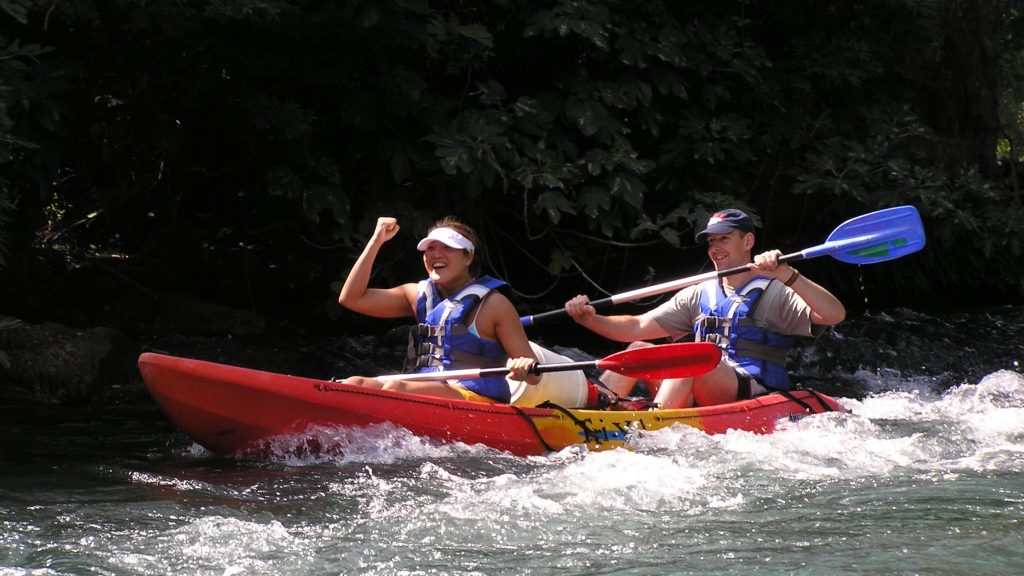
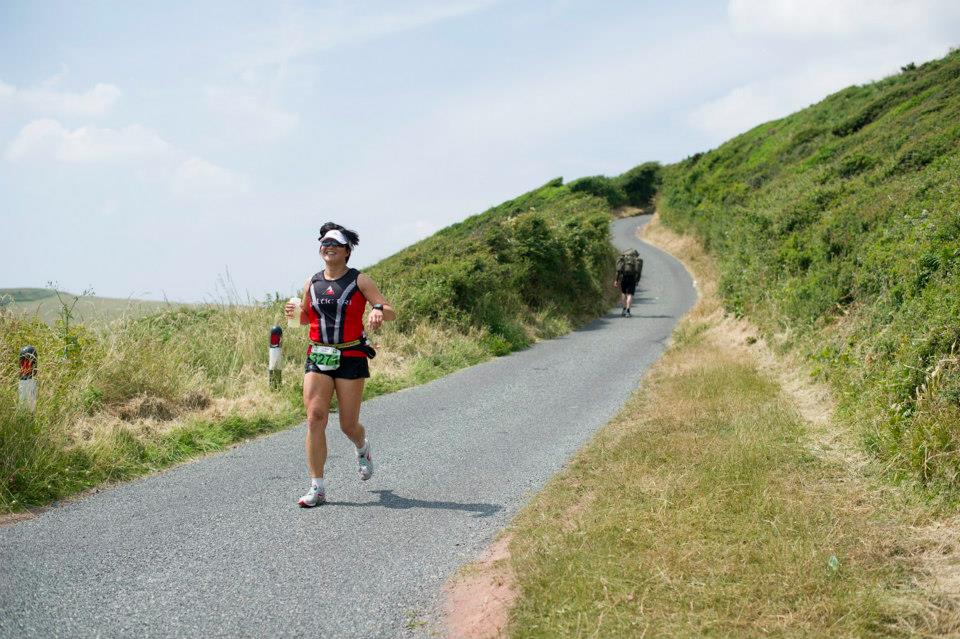
I have thrown myself into many hobbies with 100% commitment. One of those was multisport and triathlon. As a family, we have spent many hours travelling across Wales in our campervan, competing in various multi-sport activities. As soon as they could, our children participated in their first triathlons at the age of 8, and our lives revolved around training and competitions. It was an expensive past time. For adults, a typical Ironman event would cost in excess of £500 for entry. In addition there are considerations for flights, accommodation and preparation expenses from training and racing gear. Also, athletes need to consume a lot of calories to fuel their training. Reflecting on these experiences, I recognise the privilege I have that extends into the realm of sports. This privilege is not just about race but also about class and access to environments that foster sporting talent.
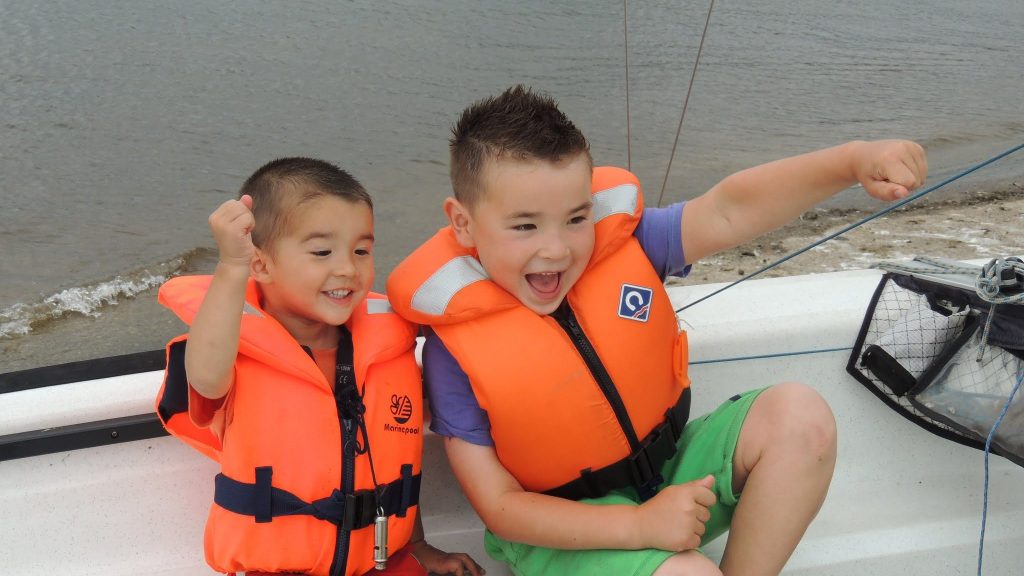
In contrast to my youth, my husband’s background includes many sporting experiences such as judo, sailing, archery, and swimming. His exposure to dinghy racing from a young age has been invaluable for developing confidence in competitive sports. These opportunities have undeniably influenced our ability to support our children’s athletic pursuits.
When considering privilege, it’s essential to recognise it and use it to benefit others. As I sit comfortably at home watching the Olympics, I reflect on sports such as swimming, cycling, and sailing, which are often biased by social class and racial privilege.
The Reality of Swimming
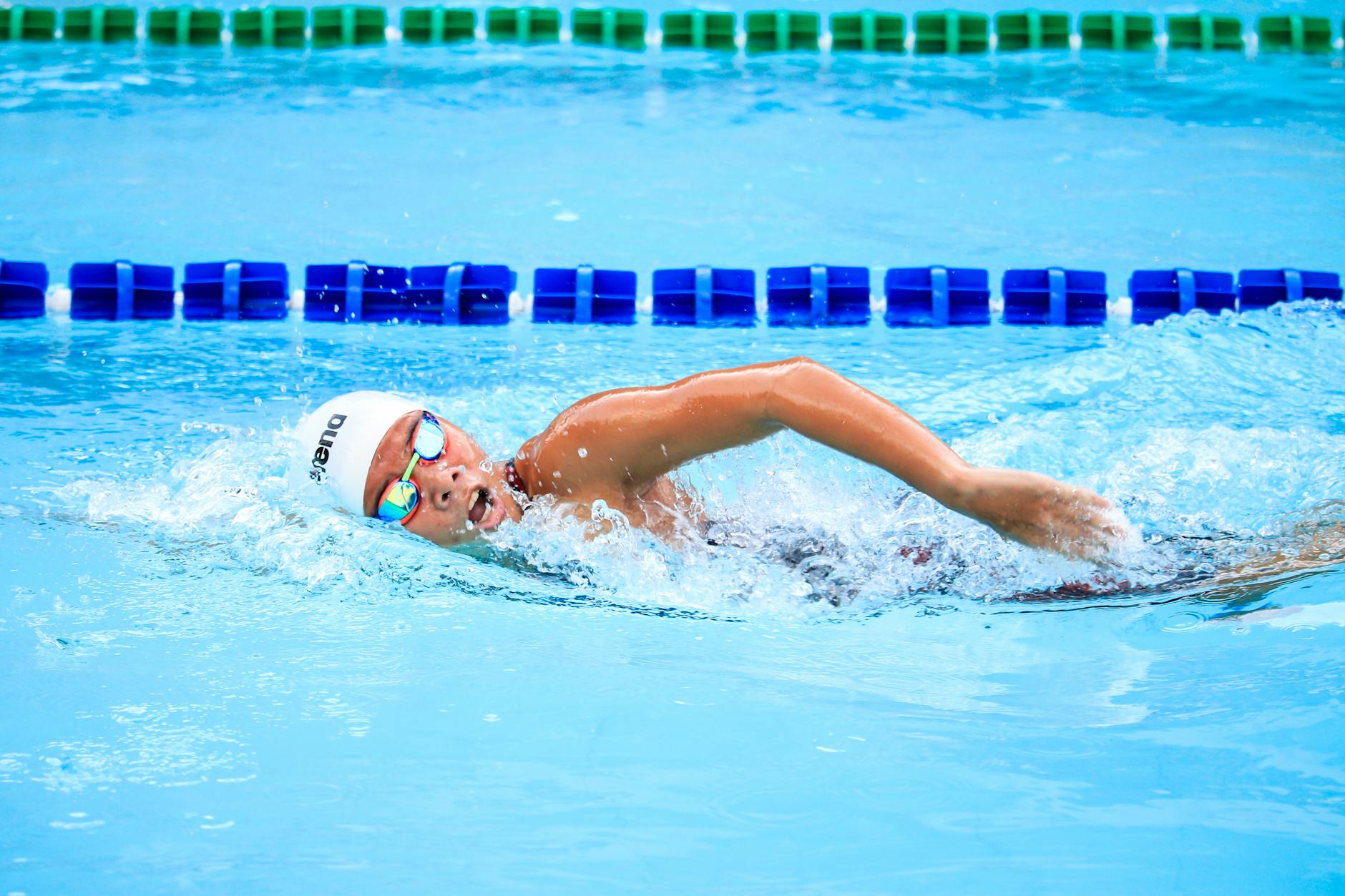
Swimming, for instance, requires proximity to a decent swimming pool. As children progress into swimming squads, training times are usually early in the morning or late at night—times. Not every family has two cars. If parents didn’t have a transport, how can children make it to practice? During my children’s swimming days, our family life revolved around training schedules, and my husband and I had to juggle around our 9-to-5 jobs to ensure our children could attend practices. In our friendship circle, this became normalised.
Many may not realise that swimming is also expensive! Lane hire for swimming clubs has increased significantly as the cost of energy increased. Paying for training sessions a term in advance for two children was a significant financial commitment. Being able to afford for their lessons was certainly a luxury. In contrast, we are living in a cost of living crisis where families struggling to pay bills, choosing between heating or food. The costs associated with swimming can be prohibitive for many.
Barriers to Participation
Statistically, ethnic minorities are underrepresented in swimming in Great Britain. According to a 2020 Sport England report, only 2% of regular swimmers are from Black or Asian backgrounds. A disparity that is not due to a lack of ability but barriers to access, such as financial constraints and logistical challenges. Additionally, access to good coaching and competitive clubs often depends on existing networks and connections, which can be less accessible to ethnic minorities. These connections can significantly impact an athlete’s development and opportunities. Another consideration is that there can be unconscious bias in the selection process for competitive squads and teams. Ethnic minority swimmers may find themselves overlooked for opportunities despite their talent, contributing to their underrepresentation in higher levels of the sport.
- Swimming Participation in the UK: Only 2% of regular swimmers are from Black or Asian backgrounds.
- Ethnic Distribution in the UK: The UK population is approximately 86% White, 7.5% Asian, 3.3% Black, 2.2% Mixed, and 1% Other.
- Global Representation in Swimming: Predominantly White, with few athletes from minority ethnic backgrounds at the elite level.
Confronting Uncomfortable Truths
Addressing the concept of privilege can be uncomfortable. Many may feel defensive, thinking, “I didn’t ask for this privilege.” However, recognising privilege is not about guilt; it’s about understanding and action. It’s crucial to view privilege through an intersectional lens, acknowledging that various factors like race, socioeconomic status, gender and ability intersect to create unique experiences.
Reflecting on our privilege can help us use it to make sports more accessible for all. By understanding how our advantages have aided our journeys, we can better advocate for those without similar opportunities. This process involves continuous self-reflection and dialogue, helping others see the broader picture of privilege and its impacts.
Broader Athletic Representation

When we look at running, countries like Jamaica and Kenya excel due to targeted investments and a strong cultural emphasis on the sport. Jamaica’s success in sprinting is supported by their national investment in athletics, leading to world-renowned sprinters like Usain Bolt and Shelly-Ann Fraser-Pryce. In Kenya, the dedication to distance running is evident in training camps like Kaptagat, where athletes such as Eliud Kipchoge train rigorously, benefiting from high-altitude conditions and a supportive community environment (World Athletics) (Marathon Handbook) (Athletics Kenya) (Train in Kenya).
Conclusion
Watching the Olympics, it’s important to consider who isn’t there and why. This is not limited to race but gender, sexuality and class. By thinking critically and challenging the status quo, we can work towards making all sports accessible to everyone, regardless of background.
In summary, privilege plays a significant role in sports like swimming, rowing, and cycling. By acknowledging this privilege and advocating for greater accessibility, we can help ensure that all talented athletes have the opportunity to succeed. Reflecting on our privileges allows us to understand our positions better and use them to create more inclusive and accessible sports environments.
 Enriched Science
Leave a comment