
As a British-born Chinese, I was always perplexed as to why we had UK-branded teas such as Welsh Brew Tea, Yorkshire Tea, PG Tips, Clipper, Typhoo, and Tetley. I won’t get into which is best, as I know it will get Brits in a frenzy, but how did tea get here? What made tea a quintessential British staple? What is the full story, including the uncomfortable truths that I didn’t read in any textbooks growing up? Web searches about tea maintain a very cozy ideology, so let me share my take on it.
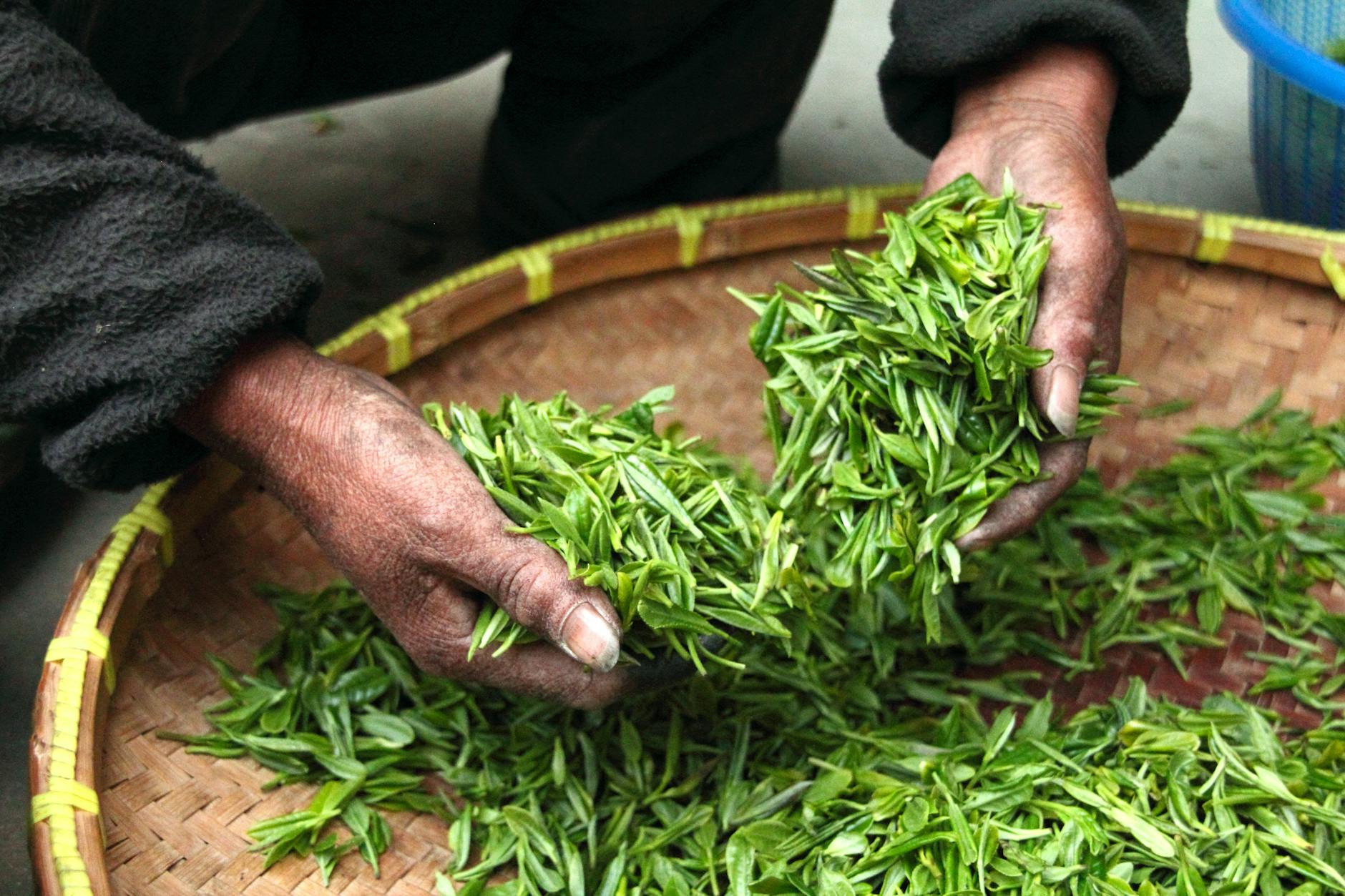
Tea’s Ancient Roots in China
It is said that tea has a history in China for over 5,000 years, but as a scientist, let’s look at the evidence. Archaeological finds from the mausoleum of Emperor Jing revealed remnants of tea. This signals that around 2,000-3,000 years ago, tea was a very important commodity for the most important people. Just like you would expect from Egyptian mythology, emperors would only be buried with their most prized items.
There were record-keeping practices in China in the Erya (3rd Century BCE) on bamboo slips and silk that survive to this day. This in itself has layers of history, but it was the earliest form of a dictionary. During the same period, the Romans had just started to expand, and it was the Iron Age in the British Isles.
How Did Tea Get to the UK?
The Silk Road was a trading route between the East and the West. It grew to become a melting pot of cultures where people exchanged silk, spices, precious metals, artwork, and other goods. This interaction between civilizations was mostly peaceful for many centuries, allowing the trade route to develop and flourish.
The arrival of European powers in the Indian Ocean in the 15th and 16th centuries introduced new dynamics to maritime trade, including competition and conflict among Portuguese, Dutch, and later British traders.
The Rise of Tea Drinking in Britain
Tea became popular in Britain during the 17th century. Catherine of Braganza, a Portuguese princess who married King Charles II in 1662, is often credited with popularizing tea in England. This period also saw events such as the Great Plague (1665) and the Great Fire of London (1666) and marked the end of the Tudor period.
Having the health benefits of tea promoted by a princess is equivalent to influencers today selling their lifestyle through a product. By the 18th century, it became immensely popular, and supply struggled with demand.

British Traders and the Opium Trade
British traders tried to impress the Chinese with their goods. The transatlantic slave trade was in full force by this point, but the Chinese were not interested in sugar, cotton, or tobacco. They could already grow their own sugar, produce cotton and silk, and were not particularly interested in tobacco. They were mainly interested in silver in exchange for tea, porcelain, and silk. This was not sustainable, so another plan emerged.
The Opium Wars
The British East India Company (EIC) began as a group of merchants seeking to trade with the East Indies but evolved into a powerful entity with administrative and military control over large parts of India. Opium has a long history in itself, but it is important to know it is an addictive drug.
Opium emerged as a commodity that the Chinese traders were interested in, and the EIC had the means to produce it in great quantity. As Chinese people became addicted, leaders tried to halt the trade and destroy opium cargo at ports such as Humen.
During the First Opium War (1839-1842), Britain’s firepower, navy, and technologies were much more sophisticated than China’s and led to unequal treaties which benefited traders from the West. This was when Hong Kong became a British Territory.
The Second Opium War (1856-1860) was led by British and French forces, increasing their hold on Chinese ports and land. This eventually resulted in the destruction of the Summer Palace located in the Forbidden City in Beijing.
British Tea?
In the early 19th century, British explorers and botanists strategically started exploring and developing tea in India, where it was an established British colony. This led to the production of Assam and Darjeeling tea. Here are some fun facts about popular British teas:
- Typhoo: The name “Typhoo” comes from the Chinese word for doctor, reflecting the brand’s initial marketing as a healthy beverage.
- Tetley: Tetley was one of the first brands to sell tea in tea bags in the UK, introducing them in 1953.
- PG Tips: PG Tips was one of the first brands to popularize the pyramid-shaped tea bag, which allows more room for the tea leaves to move and brew more effectively. Ironically, they are not pyramid-shaped anymore.
- Clipper Teas: Clipper Teas is named after the clipper ships that were historically used to transport tea. Clippers were important for trading because they were fast. One famous Clipper Ship is the Cutty Sark.
- Welsh Brew: Welsh Brew was created to provide a tea blend specifically tailored to the water in Wales, aiming to offer a unique taste that resonates with Welsh tea drinkers.
Etymology
Tea is enjoyed around the world and is demonstrated by the roots of the word in different countries:
- Tea: Derived from the Hokkien word “te,” this term spread to Europe through Dutch trade routes and influenced the languages of Western Europe.
- Chai: Derived from the Mandarin word “chá,” this term spread through Central Asia, Persia, and into languages of the Middle East, Russia, and the Indian subcontinent via the Silk Road.
Conclusion
The journey of tea from China to becoming a British staple involves a rich history of trade, conflict, and cultural exchange. The rise of tea in Britain is intertwined with opium trade and colonialism. Understanding this history gives us a deeper appreciation of how tea became such an integral part of British life and how my parents ended up migrating to the UK.
 Enriched Science
Leave a comment