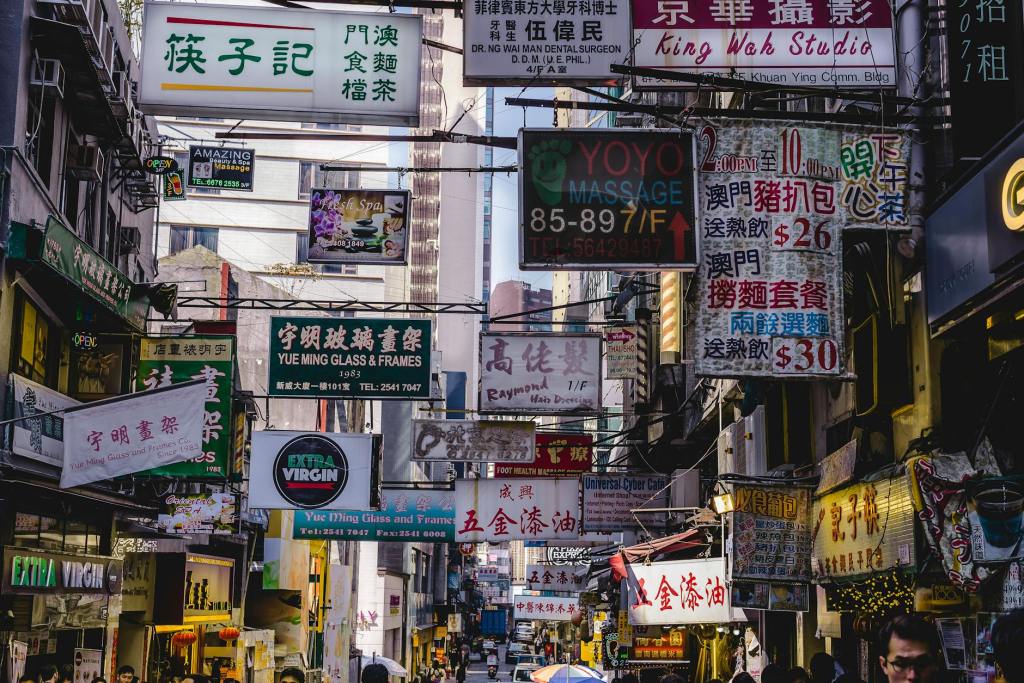

I am Hakka Chinese origin and the direct meaning of the ethnic group is the “Guest people”. Hakka people have a nomadic history and have settled widely across the world. My parents were part of the waves of migrants from Hong Kong in the 1960s as part of significant political and social upheaval in HK. Over my lifetime of nearly half a decade in the UK, I have seen more migration of Chinese people under different circumstances. More recently, there has been an increase in new HK Chinese migrants. As the sun set over Llandudno, I reflected on my role in supporting an anti-racist society. I have some thoughts on racism in the UK that need to be understood by BNO migrants and actions they need to take.
Historical Context and Legacy
Hong Kong’s colonial past has left a lasting impact on its social hierarchy. During British rule, a clear racial hierarchy placed white Europeans at the top, influencing local perceptions and attitudes. Many Hongkongers internalised these colonial ideologies, which can perpetuate unconscious biases and systemic racism.
Migrant Experience in the UK
Expectations vs. Reality
The arrival of BNO migrants, driven by political unrest and changes in Hong Kong, has significantly contributed to the UK’s slight GDP increase, preventing a plunge into recession. According to the Office for Budget Responsibility, higher migration scenarios could boost GDP by up to 2.2% by 2028-29. However, this economic benefit comes with social challenges. BNO migrants, expecting a warm welcome, often face systemic racism and social exclusion, much like migrants in the past.
Current Socioeconomic Climate
Recent reports indicate that net migration has increased to its highest level in decades, driven primarily by non-EU nationals, including Hongkongers. History shows that economic downturns often correlate with a rise in racism and riots, with migrants scapegoated for broader societal issues. This pattern serves as a method for ruling classes to deflect blame from their policies and actions. The UK’s population grew by 0.7% per year between 2010 and 2023, largely driven by migration, with 75% of this growth attributed to migration, making it the fastest rate of population growth for a century (Migration Observatory)(Office for National Statistics).
The Need to Decolonise the Mind
Understanding Systemic Racism
Decolonising the mind is crucial for BNO migrants. Systemic racism is embedded in institutions, affecting employment, housing, and social services. Recognising and dismantling these internalised colonial ideologies can help Hongkongers understand their interconnected struggles with other ethnic minorities.
Internalised Racism and Privilege
Many Hongkongers may perpetuate racism due to internalised colonial attitudes and non-racist ideologies. Hong Kong has been unchallenged as a systemically racist place. Although it is a predominantly a homogenous society with around 91.6% of its population being Han Chinese, there is a notable presence of ethnic minorities. There are approximately 8.4% of the population who are not Chinese. This includes a diverse mix of groups with the largest being Indonesians (142,065), Filipinos (201,291), and smaller groups such as Indians (42,569), Pakistanis (24,385), Nepalese (29,701), and others (HAD Gov HK).
Despite the presence of these ethnic communities, integration and inclusivity remain significant challenges. Ethnic minorities in Hong Kong often face issues related to racial discrimination, language barriers, and economic hardship. For instance, the labour force participation rate among ethnic minorities is about 64.5%, and a significant portion of children from these communities live in poverty (Asia Society) (CMA Bureau). However, being white/Western origin provides privileges and access to opportunities that other minority ethnic groups do not enjoy. This advantage can be attributed to internalised colonial attitudes and systemic racism that favor Westerners over other minorities.
Hong Kongers have gone from being a favoured majority to a minority and needs to confront and challenge their racial literacy actively. A report by the University of Liverpool found that despite high levels of education and functionality, many Hong Kong migrants face social isolation and mental health challenges. By educating themselves on the history and mechanisms of systemic racism, they can become more empathetic and effective allies.
Advocacy and Allyship
Active Anti-Racism
BNO migrants must move beyond passive tolerance to active anti-racism. This means challenging discriminatory practices and supporting policies that promote equality. Studies indicate that while migrants often have higher qualifications than native-born workers, they still face significant barriers due to systemic discrimination. By standing in solidarity with other ethnic minorities, Hongkongers can amplify their voices and advocate for inclusive changes.
Building Solidarity
Building solidarity with other ethnic groups is vital. Collective action can drive significant social change. In a democratic society, every voice counts. Hongkongers should use their voices to promote inclusivity and justice, ensuring that they contribute to a society where all are valued.
Conclusion
The experiences of BNO migrants in the UK highlight the need for a profound shift in mindset. By decolonising their minds and understanding systemic racism, they can become powerful allies in the fight for equality. Only through such solidarity can we hope to dismantle the structures of racism and build a fairer world for everyone.
Call to Action
As a British-born Chinese, I urge new BNO migrants to embrace this challenge. Recognise the systemic issues at play, educate yourselves, and join forces with other ethnic minorities to advocate for a better, more inclusive future. Your voice matters—use it to make a difference.
For support and resources, please visit Hong Kongers in Britain and BESEA.N’s resources for HK BNO, BOLOH Helpline
To develop racial literacy check out: https://www.bameednetwork.com/resources/
 Enriched Science
Leave a comment